- Toll Free: (877) 580-1808
- Local: (407) 634-3611
- dispatch@ghostpepperlogistics.com

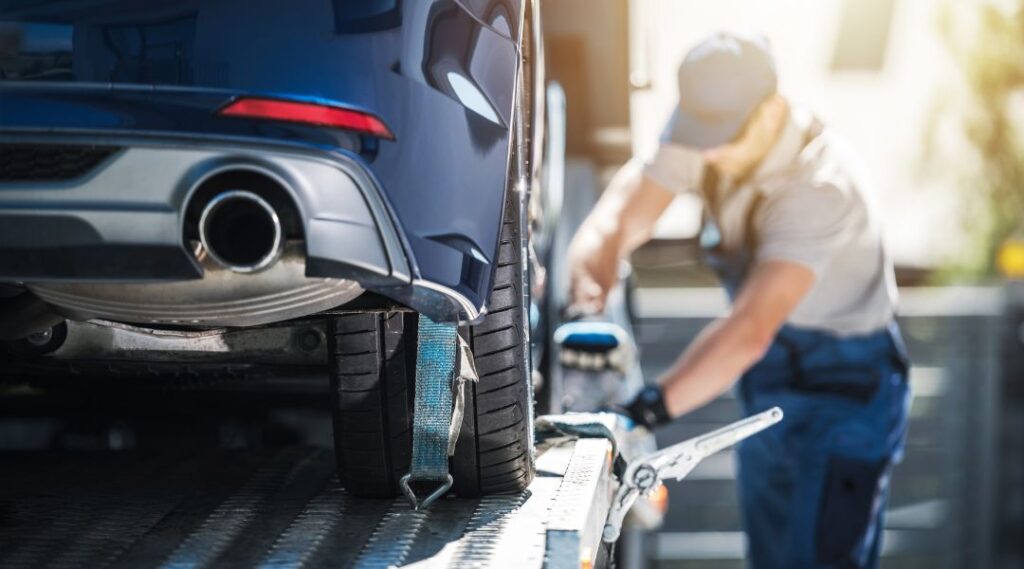
Driving is typically always less expensive than shipping, particularly for shorter moves, but vehicle transport is more practical and well worth the cost if you’re going more than 500 miles. Transporting your vehicle on the back of an uncovered trailer or inside an enclosed auto transport truck is safer and better for your vehicle than having it drive across the state on its tires.
Suppose you are relocating a long distance and have professional movers transfer your furniture and other belongings. In that case, you should also hire a car shipping firm to transport your vehicle (if it fits your budget).
Carefully study the four areas below to see how shipping your car stacks up against driving it:
Driving is almost always less expensive than hiring a car transport company, even when you factor in things like gas, road snacks, and hotels. However, there are other expenses associated with car driving. A lot of thought has to go into how you spend your time and energy and how you protect your financial investment.
Another consideration is getting your vehicle thoroughly serviced before going on such a lengthy journey. The cost of fixing a vehicle in the middle of the interstate could easily exceed the shipping prices.
It is clear how much driving your vehicle may cost when all of the aforementioned considerations are taken into account. Having your vehicle shipped might be ideal if you want to save time, effort, and money on things like service and repairs during the move.
Shipping your car instead of driving is a collector’s priority. If you’re planning on reselling your vehicle, hiring professionals like us is always the best option.
A leisurely cross-country road trip may be therapeutic, informative, and enjoyable if you have time, good weather, and a route that takes you through new territory. But shipping your vehicle with high-class transporters is always a win.
The wear and tear on cars from long drives are real.
Although most of them go off without a hitch, a stray pebble from a passing dump truck may shatter a perfectly decent windshield.
The expense of your trip might quickly double by two or three if you have an accident that causes damage to your cars, such as a blown tire or cracked windshield that isn’t covered by your insurance.
Research shows that the annual mileage put on the average American automobile is about 10,000 miles.
Approximately 850 miles each month (or roughly the distance between Atlanta to New York).
As a result, your vehicle may experience the equivalent of a month’s worth of wear and tear on just a two-day journey.
Even on cross-country journeys, the likelihood of being involved in an accident is low.
However, a greater potential for harm comes with more time spent behind the wheel, particularly considering that many car accidents are caused by reckless driving behaviors like speeding and falling asleep behind the wheel.
Keeping your mind fresh and attentive on a long trip may be accomplished by breaking up the day and sticking to the prescribed speed limits. Also, you need to consider the time of the year you want to go and the topography and weather you may expect to find there.
Those without winter driving skills should avoid the Rocky Mountains in December despite their beauty.
Similarly, if your car breaks down in the middle of the Arizona desert in June, and it’s 115 degrees outside, while you’re about 20 miles from the next service station, and your phone has no network coverage, you’re in for a real nightmare.
In most cases, shipping your vehicle with a company is the safest option for you and your vehicle.
Considering how rare you would be involved in an accident, even after thousands of kilometers of driving, this isn’t the most crucial consideration. However, if security (for both you and your vehicle) is paramount, it’s best to choose a professional shipping service.
Those without skills and experience towing a trailer should probably avoid using dollies, which enable you to tow your vehicle behind another vehicle like a rental moving van.
Remember that driving a towed vehicle may be challenging in confined spaces, adverse weather, and steep terrain.
You may take a bus, find a cheap airline, or have a family member or friend drive you to your new location if shipping your vehicle is the best option.
There is a predetermined maximum number of miles per year that every component in your car, from the tires to the engine, may safely and reliably travel before becoming unreliable and needing to be replaced. Having a high mileage on your car’s odometer might also hurt its resale or trade-in value.
The number of miles you drive in your car when traveling across the nation is a significant consideration for these reasons.
Since the typical American puts 1,000 miles on their vehicle each month, if you relocate to a new place and drive 1,000 miles in a short time, you will reduce the value of your automobile and, in effect, shorten its lifespan by one month.
It’s much faster to drive than to walk. The federal government enforces daily work and driving time limits for truck drivers.
Your delivery window may extend into weeks, depending on the duration of the journey, since they may need to make extra stops along the way to make pickups and drop-offs.
The bottom line is that it’s up to you to decide whether you’d rather drive your car or have it transported by a professional auto transport company.
Driving is the most practical option if saving money and getting there quickly are your top priorities.
If you value your time, sanity, and possessions as much as I do, then shipping could be the way to go, even if it costs a little more.